
You’re eating lunch. You bite into a sandwich. And then it happens: a loud pop or click from your jaw. Maybe it startles you. Maybe you don’t even think about it anymore because it happens so often. Jaw popping is surprisingly common. And for a lot of people, it’s harmless. But sometimes, that little click is your jaw trying to tell you something.
So how do you know the difference? Let’s break it down.
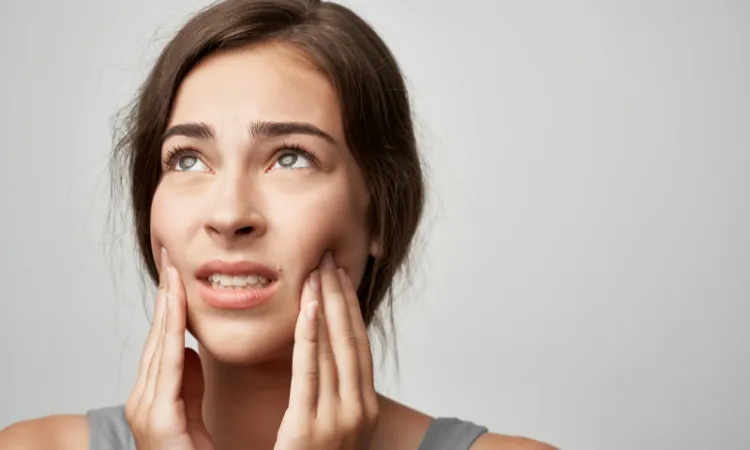
Why Your Jaw Pops in the First Place
The joint that connects your jaw to your skull is called the temporomandibular joint, TMJ for short. It’s one of the most complex joints in your body. It moves up and down, side to side, and forward and back. That’s a lot of motion for one small joint.
Inside that joint is a tiny disc of cartilage that acts like a cushion. It sits between the bones and helps your jaw move smoothly.
A pop or click happens when that disc shifts slightly out of place. When you open your mouth, the disc snaps back into position, making that sound you hear. Think of it like stepping on a loose floorboard; it moves, then settles back with a noise.
When It’s Probably Nothing to Worry About
If your jaw pops occasionally but doesn’t hurt, and you have no other symptoms, it’s usually not a big deal. Many people have jaw joints that click or pop for years without any problems.
Here are some signs that your jaw popping is likely harmless:
- It happens only once in a while
- There’s no pain before, during, or after the click
- Your mouth opens and closes normally
- You don’t have headaches or earaches along with it
In those cases, you likely don’t need treatment. Just keep an eye on it and let us know if things change.
When It’s Worth a Closer Look
The popping itself isn’t usually the problem. The problem is when the popping comes with other symptoms. Here are the signs that your jaw might need some attention:
- Pain: If your jaw aches or hurts when you chew, yawn, or talk
- Locking: Your jaw gets stuck open or closed, even for a second
- Limited movement: You can’t open your mouth as wide as you used to
- Grinding sounds: You hear a grating or crunching noise, not just a pop
- Headaches: Frequent tension headaches or migraines, especially in the morning
- Ear pain: Aching in or around your ears without an actual ear infection
If you have any of these along with the popping, it’s worth a visit. That’s when the joint might be inflamed, overworked, or showing signs of wear.
What Causes the Problem in the First Place?
Most jaw issues come from one of two things: clenching or grinding. And most people who do it don’t even realize it.
You might grind your teeth at night without knowing it. Or you might clench your jaw when you’re stressed, focusing at work, or even driving. Over time, that constant pressure stresses the joint and the muscles around it.
Other common causes include:
- Chewing gum too often (it’s a workout for your jaw)
- Biting your nails or chewing on pens
- Poor posture that strains your neck and jaw
- Arthritis in the joint
- An injury to your jaw or face
What We Can Do About It
If we think your jaw popping is a sign of a problem, we’ll start with a gentle exam. We’ll check how your jaw moves, listen for sounds, and ask about your daily habits.
Often, the solution is simpler than you’d expect:
- A custom night guard helps prevent grinding while you sleep. Unlike store-bought guards, these are made to fit your bite perfectly.
- Soft foods for a week or two give your jaw a break
- Heat or ice on the sore area can relax tense muscles
- Simple jaw exercises can help strengthen and stretch the joint
- Stress management. Yes, it really does help with clenching
In more stubborn cases, we may recommend other options, but most people improve with conservative care.
Find Symptom Relief Today
A painless pop now and then? Probably not a big deal. But if your jaw is talking to you with pain, limited motion, or morning headaches, listen to it. The sooner we catch joint issues, the easier they are to treat. Contact our office today to schedule a consultation and learn more about your treatment options for TMJ symptom relief.