
Do you wake up with headaches? Does it hurt your jaw when you eat hard or crunchy foods? You may have TMD. Temporomandibular joint disorders (TMD) result from stress or injury to the joints that connect the jawbone and skull. Pressure on these joints can lead to tooth, jaw, and facial pain.
Patients with TMD can also clench and grind their teeth, wearing down their enamel and damaging permanent teeth. As part of our restorative dentistry services, we help repair damage caused by TMD, restoring both function and appearance to your smile. Dr. Cynthia Elderkin and Dr. Claudel Giggey provide TMJ treatment in Raleigh, NC, to help patients restore their smiles and reverse painful symptoms. Dr. Giggey can also offer Botox® for TMD patients with headaches and orofacial pain.
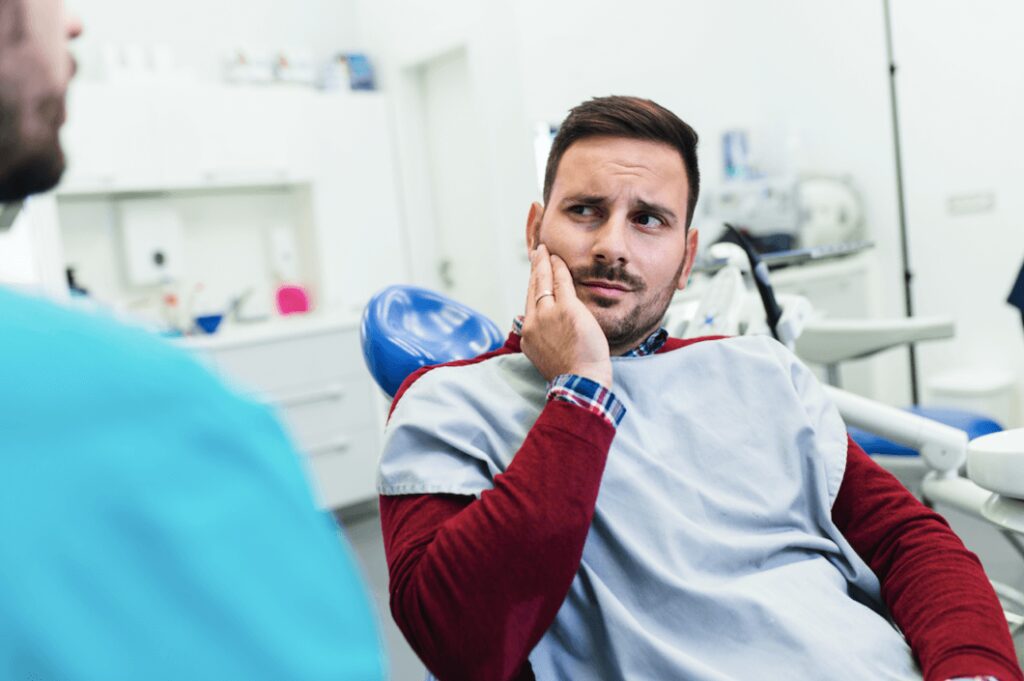
Common Symptoms of TMD
There are many tell-tale signs of TMJ disorders:
- Teeth clenching and grinding (bruxism)
- Jaw and tooth pain
- Morning headaches and migraines
- Jaw popping and clicking when eating
- Earaches
- Facial pain
- Tooth wear and sensitivity
Many patients with crooked or missing teeth are more likely to develop TMJ problems because of their bite imbalance. Sometimes, we may recommend that patients see an orthodontist or oral surgeon if bite misalignment impacts their smile.
Treat TMJ Disorders in Raleigh, NC
Our dental office can create customized night guards for patients who clench and grind their teeth during sleep. Night guards are made of hard acrylic to prevent patients from chewing on oral appliances. Wearing a night guard during sleep can alleviate pressure from the TMJ and keep the teeth in place.
Night guards also prevent further damage or wear to permanent teeth. First, we take dental impressions to send to a lab, which creates a night guard that covers the upper or lower tooth arch. Then, we ensure that the night guard and the natural teeth line up comfortably.
We may also recommend physical therapy for patients with TMD. Posture and stress in the upper body can contribute to TMJ symptoms. You can learn exercises for their arms, shoulders, and back during physical therapy. You’ll also learn how to hold and relax their teeth and jaw.
Patient Review
Botox® for TMJ Disorders
Many patients may only think of Botox as a treatment for facial aesthetics. However, Botox can relieve orofacial pain or pain in the mouth, jaw, and face. Dr. Giggey completed training to provide Botox at Stonehenge.
Dr. Giggey can administer Botox for patients with TMD with orofacial pain to relieve their discomfort. Botox is also FDA-approved for patients with headaches and migraines from TMD.
Before Botox treatment, Dr. Giggey finds the areas of the face and jaw where the patient holds tension. Then, she will target these areas and inject Botox into the muscle tissue. Botox is a neurotoxin that affects nerve signals to the muscles.
The muscles in the face and jaw relax after Botox injections, relieving painful TMJ symptoms. Botox treatment is quick, painless, and can last for up to 6 months after treatment. Dr. Giggey can also provide follow-up treatment as needed to keep symptoms at bay.
Frequently Asked Questions
Do you want to learn more about your symptoms and treatment options? Read answers to commonly asked questions about TMJ in Raleigh, NC.
How do I know if I have TMJ or another problem?
TMJ can make it hurt when you chew, yawn, or talk. You may also experience earaches or headaches along with jaw pain.
Other problems can feel similar. A tooth infection or cavity can cause pain that spreads to the jaw. Sinus infections often cause pain in the upper teeth and cheeks. Arthritis can also affect the jaw joint.
Only a dentist can determine if you have TMJ. Please call our dental office if you have chronic jaw pain that lasts over a week.
Are sleep issues related to TMJ?
TMJ disorders often cause a dull ache in the jaw, face, neck, or even the ears. That constant discomfort can make it hard to get comfortable in bed.
Another sleep issue is teeth grinding, which puts extra stress on the jaw joint. At the same time, a poorly aligned jaw can trigger grinding. This creates a cycle where TMJ causes grinding and grinding makes TMJ worse. Grinding often occurs during deep sleep, so many people don’t realize they are doing it until they wake up with sore jaw muscles or a headache.
TMJ problems can also lead to sleep apnea. Sleep apnea is when your breathing stops and starts many times during the night. A poorly positioned jaw can narrow your airway, especially when you lie on your back. This makes it harder to breathe normally while asleep. A combination of TMJ and sleep therapy can help some patients relieve unconfortable symptoms.
How can posture affect TMJ?
Poor posture can make TMJ problems worse. When you slouch or sit with your head too far forward, your lower jaw shifts along with your head. This puts extra strain on your jaw joints and the surrounding muscles. Over time, that strain can cause jaw pain, clicking, or locking. The muscles in your neck and shoulders also tighten up, which adds even more pressure to your jaw.
Fixing your posture often helps reduce TMJ symptoms. When you’re sitting, keep your ears aligned over your shoulders. Look at your phone by moving your eyes or raising the phone, not by lowering your head. Small changes can make a big difference for your jaw.
How do I know if I need Botox for TMJ symptoms?
You may benefit from Botox if you have headaches or jaw pain that won’t go away with a night guard, stretching exercises, or anti-inflammatory medication.
Botox does not fix a bad bite or joint damage. It only calms muscles. But finding relief in your temples, jaw, or TMJ can make everyday life more comfortable.
Treat Bite Problems in Raleigh Today
Do you think you may have TMD? Call Stonehenge Family and Cosmetic Dentistry for a TMJ nightguard in Raleigh, NC, at 919-295-0936. Also, feel free to request your next dental appointment with your TMJ specialist on our website.